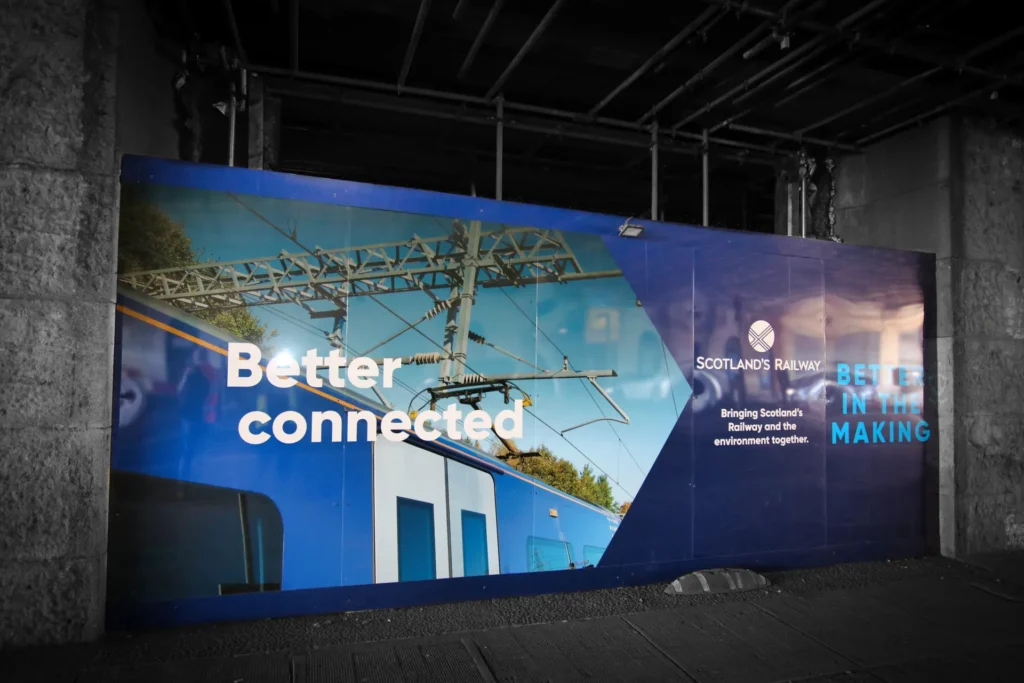
Posters remain one of the most enduring, adaptable, and visually impactful marketing tools available today. Whether your goal is to promote an event, increase brand awareness, or launch a new seasonal campaign, well-executed poster design can cut through noise and capture attention instantly. With the continued growth of marketing materials printing, posters offer unmatched flexibility across digital and print formats, from small printed pieces to large-format posters displayed in high-traffic areas.
Designing the perfect poster requires a strong understanding of visual hierarchy, space, readability, and messaging. It also demands the ability to adapt artwork for multiple placements and sizes. Whether using a template, collaborating with a poster designer, or creating custom posters from scratch, understanding these essential tips will help you build a scalable poster campaign that performs across all environments.
Understanding the Goal Behind Your Poster Campaign
Before you design a marketing poster, you must identify the purpose of your campaign. Posters are used to promote an event, highlight a special offer, support wayfinding, advertise products or services, or reinforce ongoing branding messages. Clear objectives help you choose the right design elements, typeface, headline structure, and colour palette.
Different types of posters require different visual priorities. Large-format posters displayed outdoors need bold graphic design, oversized typography, and clear focal points that can be read from a distance. Smaller posters, digital posters, or indoor designs can include more detailed information, fine print, and additional graphic elements.
Understanding your campaign’s main message early allows you to design a marketing poster that remains visually effective whether viewed up close, read quickly, or scaled across multiple poster sizes.
Start With a Strong Headline That Commands Attention
The headline is the anchor of your poster. It should communicate the core message at a glance, whether your poster is being used for product launches, event promotions, or seasonal campaigns. When creating a poster, make your headline:
- Bold and eye-catching
- Concise and free of clutter
- Legible from a distance
- Strategically placed near the top
In a busy environment filled with competing visuals, your headline must be strong enough to grab the attention of people immediately. This is especially important for large-format posters positioned on walls, windows, or outdoor displays.
Poster Design and Visual Hierarchy: Keep It Clear, Strong, and Readable
Good poster design relies on visual hierarchy, the structured way information is arranged so viewers see what matters first. A strong hierarchy ensures your audience can read your poster quickly and understand its purpose.
To improve clarity and readability:
- Prioritise important text using size and weight.
- Use white space (negative space) to avoid clutter.
- Structure graphic elements to support flow and organisation.
- Keep your design simple, especially when scaling up.
Whether you’re creating a movie poster, an event poster, or campaign artwork, the goal is to make your poster easy to navigate. A cluttered layout reduces impact, while a clear graphic design enhances the readability of your poster from a distance.
Typography: Choosing the Right Typeface for Effective Posters
Typography can make or break your poster. Whether creating a creative poster or a corporate announcement, typography shapes how effectively your audience absorbs your message.
Typography tips and design decisions:
- Limit yourself to two or three typefaces.
- Use sans-serif fonts for strong readability.
- Use heavy weights for headlines and key elements.
- Consider font size carefully for each poster size.
Poster typography is especially important when designing posters to stand out in crowded spaces. Large-format posters require oversized typefaces, while smaller sizes may use lighter weights or more detail. Readability must never be compromised.
Selecting a Colour Palette That Enhances Visual Impact
Colour choice has a major influence on how people read your poster and how your brand is perceived. Your colour palette should support your overall message, reflect your brand identity, and maintain visual appeal.
Designing a poster with colour in mind:
- Use contrasting colours to improve text readability.
- Keep backgrounds clean to avoid overpowering the headline.
- Stick to a consistent colour palette across campaign variations.
- Use accents strategically to draw the eye to your CTA.
For marketing posters, colour psychology can strongly influence engagement, helping your campaign attract attention and communicate a message effectively.
Graphic Design, Imagery, and Strong Focal Points
Graphic design elements — imagery, shapes, icons, or illustrations — guide the viewer’s attention and help create a compelling visual experience. A focal point is essential to anchor the eye and reinforce the purpose of the poster.
When designing posters, consider:
- Using high-resolution images for large prints
- Selecting imagery that supports your message
- Avoiding clutter to maintain clarity
- Including graphic elements that create balance
For large-format posters, imagery must be extremely high quality to avoid pixelation and preserve professionalism. Strong visual hierarchy and focal points make your poster look polished and memorable.
Using Poster Templates to Maintain Consistency and Speed Up Production
A poster template ensures that your poster design remains consistent across multiple variations of a campaign. Templates are especially helpful when designing posters in various sizes, as they maintain placement of key elements like headlines, logos, CTAs, and graphic features.
Poster templates are essential in flexible-scale campaigns because they allow your brand to roll out multiple marketing materials in printing formats quickly while keeping visual consistency intact.
The Importance of White Space and Negative Space in Poster Layouts
White space, also known as negative space, is a core design principle used to improve clarity, balance, and readability. It helps the viewer understand your message without becoming overwhelmed.
Benefits of white space:
- Enhances readability from a distance
- Strengthens visual appeal and professionalism
- Improves balance between text and imagery
- Creates a cleaner aesthetic for modern campaigns
White space is crucial when creating posters for busy, advertisement-heavy environments, where clean design helps your poster stand out.
QR Codes and Clear Calls to Action for Modern Poster Design
A clear call to action (CTA) encourages your audience to respond immediately. A CTA could be an invitation to book, sign up, learn more, or visit a website. When paired with a QR code, your poster becomes interactive and measurable.
CTA and QR tips:
- Keep QR codes in clean, uncluttered areas.
- Ensure strong contrast for fast scanning.
- Use action-based language near the CTA.
- Position your CTA where it fits naturally in the visual hierarchy.
QR codes allow posters to act as digital gateways, helping you track engagement and improve your campaign performance.
Designing Posters for Different Locations, Audiences, and Environments
Great posters adapt to their environment. Factors like viewing distance, lighting conditions, competing visuals, and audience demographics influence how you design your poster.
Consider when designing your poster:
- How viewers will approach it
- Whether it sits indoors or outdoors
- How much time viewers have to read
- How your poster design adapts across different poster sizes
Large-format posters typically need simplified text, bigger typefaces, and minimal fine print. Indoor posters allow more detailed content and can include secondary text levels without sacrificing readability.
Scaling Poster Campaigns Across Multiple Formats
A successful scalable campaign allows you to design a marketing poster once and adapt it across multiple formats, from small A4 prints to XXL exterior large-format posters.
Tips for scaling:
- Maintain grid alignment across all poster sizes
- Keep graphics centred and proportionate
- Adjust spacing to match poster size
- Resize text to preserve readability
- Use images and graphics with high DPI
This approach saves time, maintains visual consistency, and strengthens brand recognition across your campaign.
Why Work With a Professional Poster Designer
If your posters are part of a major campaign or wide-scale roll-out, working with a professional designer or specialist print partner can elevate your results. Professionals understand how to create eye-catching poster layouts, manage colour profiles, ensure accurate scaling, and prepare designs for marketing materials printing.
A professional poster designer can help you:
- Refine layout for readability
- Optimise images and graphic elements
- Handle multiple poster sizes
- Integrate brand elements correctly
- Produce an impactful poster that drives results
For brands that rely on frequent promotional campaigns, partnering with experts ensures every printed poster maintains clarity, consistency, and visual quality.
- How to enhance readability and impact through visual hierarchy
A professional helps you design a marketing poster that makes a lasting impression and supports your overall brand strategy.