To understand what the best papers for digital printing are is essential if you want consistent, professional results. In the world of digital printing, paper choice can significantly impact the final print, influencing colour reproduction, durability, texture, and overall quality. Whether you’re producing flyer printing, brochures for business, fine art, or everyday printing, choosing the right paper for digital printing ensures your project performs as intended.
Digital printing has revolutionised modern print services, offering flexibility, speed, and high-quality reproduction. However, digital printing depends heavily on selecting papers that work in harmony with digital printers, inks, and presses.
Why Paper Plays a Central Role in Digital Printing
Digital printing is the process of printing digital-based images directly to the digital press without the need for printing plates. Unlike traditional offset printing, digital printing allows files to be sent directly to the digital printing press, enabling short print runs, personalised printing, and on-demand printing.
Because digital printing uses heat or inkjet printing technology, the paper used must be compatible with the printer handles and capable of withstanding the heat of laser printers or the absorption needs of inkjet printers. The role of paper is critical in achieving high-quality print results.
GSM, Thickness, and Paper Weight Explained
GSM, or grams per square metre, refers to the weight and thickness of printing paper. Thicker paper generally provides a more premium feel, while lighter paper suits everyday printing and high-volume flyer distribution.
- 90–120gsm is commonly used for office printing and everyday printing
- 130–170gsm works well for flyer printing and digital print marketing materials
- 200–250gsm is ideal for brochures for business and premium digital printing
- 300gsm and above suits business cards, art papers, and photo printing
Choosing the right paper weight ensures durability, print vibrancy, and long-lasting performance.
Coated and Uncoated Paper Types in Digital Printing
Coated Printing Papers for Digital Printing
Coated paper has a surface treatment that improves ink and toner adhesion, making it ideal for digital printing presses. Glossy photo papers, satin, and matte coated papers enhance colour vibrancy and print quality.
Gloss and satin finishes are commonly used for promotional materials, while matte papers are preferred when glare reduction and a refined look are required. Coated paper ensures sharper reproduction, especially for digital art and marketing visuals.
Uncoated Printing Paper Options
Uncoated paper provides a natural feel and is widely used for text-heavy brochures, stationery, and everyday printing. While colours may appear softer, uncoated papers reduce fingerprints and offer excellent readability.
Uncoated paper is often chosen for environmentally conscious projects and printing paper that prioritises texture over gloss.
Digital Printer Technology and Paper Compatibility
Digital printing technology relies on either laser-based digital presses or inkjet printing. Paper for digital printing depends on the specific digital printers used.
Laser printers require paper that can withstand heat without curling, while inkjet printers need paper that absorbs ink efficiently without bleeding. Selecting paper that is compatible with the digital printing process ensures clean results and consistent quality.

Tips for Choosing the Right Paper Choice for Common Print Projects
Different printing projects require different paper types:
- Flyer printing benefits from coated paper with vibrant colour reproduction
- Brochures for business often use heavier paper with matte or satin finishes
- Fine art and digital art projects use specialist art papers
- Business cards require thicker paper with durability and rigidity
Selecting the right paper for your digital print job ensures the final product aligns with your brand and purpose.
Paper Finish and Its Impact on the Final Print
Paper finish plays a major role in how prints are perceived. Gloss, satin, and matte finishes influence vibrancy, texture, and handling. Textured papers add character but must be carefully selected to ensure compatibility with digital printers.
The papers finish can significantly impact the final look and feel, making it ideal for premium or high-end printing projects.
Digital Printing vs Traditional Printing Methods
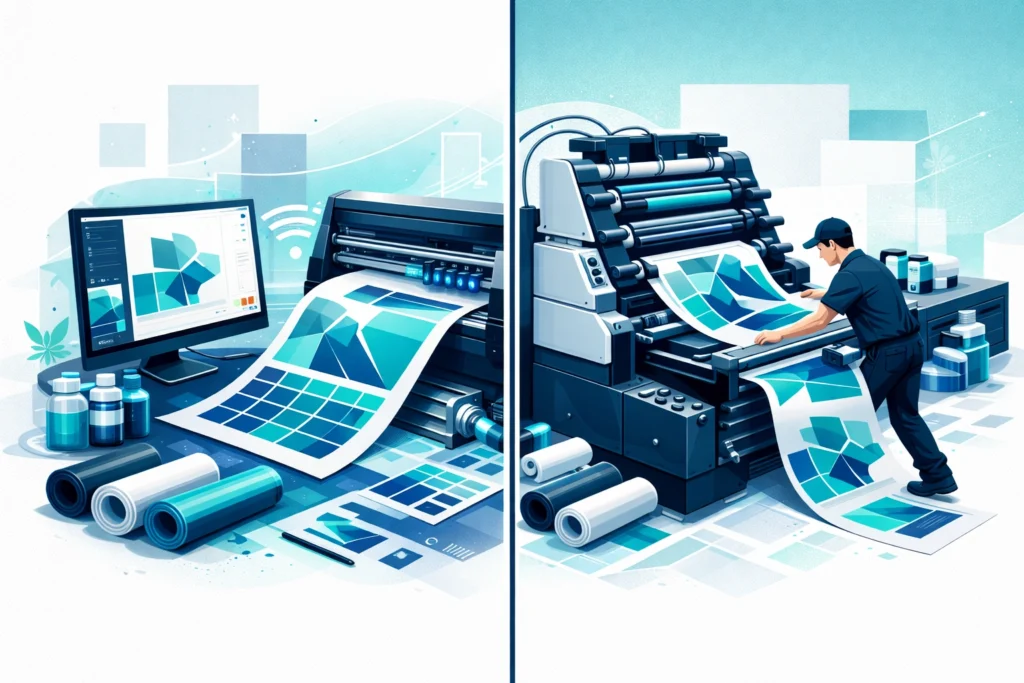
Digital printing differs from traditional printing methods such as offset printing, screen printing, and analogue printing. Traditional offset printing uses printing plates and is cost-effective for long print runs, while digital printing eliminates plate setup and allows for short print runs and variable data printing.
Understanding the difference between digital printing vs traditional printing helps businesses choose the most effective printing method.
Best Tips When Choosing the Best Paper for Digital Printing
When choosing paper, consider:
- The purpose of the print
- Required durability and lifespan
- Print run volume
- Printer compatibility
- Desired look and feel
Choosing paper carefully ensures the final print meets both functional and aesthetic expectations.
Final Thoughts
Selecting what are the best papers for digital printing comes down to understanding GSM, coatings, finishes, and compatibility with digital printing presses. From flyer printing and brochures for business to fine art and photo printing, paper choice influences the final product more than most people realise.
With the right paper, digital printing offers high-quality, flexible, and professional results across a wide range of applications.